Quieter dykes, clear air, and a natural spectacle overhead that almost nobody notices in summer: autumn on the North Sea isn't a second choice – for many, it's actually the best time to visit. Between September and November, the coast around Otterndorf and Cuxhaven shows a quieter, but no less striking, side of itself.
This guide covers why the off-season is worth it, what happens in the sky and over the mudflats during these weeks, and what to keep in mind when planning.

At a glance
| Autumn bird migration | peaks in September and October (source: Wadden Sea National Park) |
| Resting migratory birds | around 10 million per autumn across the whole Wadden Sea |
| Lower Saxony autumn holidays 2026 | Mon 12 Oct – Sat 24 Oct – noticeably quieter before and after |
| From Nordseezimmer | dyke about 10 min walk, freely accessible year-round |
| Accommodation | Nordseezimmer Otterndorf – from 1 night, no single-room surcharge, 9.2/10 on Booking.com |
Why autumn on the North Sea is underrated
In summer, school holidays and full beach chairs set the tone along the coast. In autumn, things calm down: fewer cars on the access roads, more room on the dyke, shorter waits at the cafés in Otterndorf and Cuxhaven. Temperatures in September are often still pleasant for long walks, while October and November bring clear, cool air and dramatic cloudscapes – a real contrast to the evenly blue summer sky.
Fewer crowds on the dyke – but not evenly quiet throughout
The off-season isn't uniformly quiet, though: during the 2026 Lower Saxony autumn school holidays (Monday 12 to Saturday 24 October), the region is noticeably busier than in the weeks before and after. If you're after maximum quiet, plan your visit outside that window – mid-September or early November work well. If you'd rather have cafés, shops and a bit more going on while you're there, the holiday weeks are a good fit.
Bird migration over the mudflats – a spectacle in passing
The real star of the North Sea autumn plays out above and within the mudflats. According to the Wadden Sea National Park authority, the autumn bird migration peaks in September and October, with the largest resting populations between August and October. Each autumn, an estimated 10 million migratory birds rest across the Wadden Sea as a whole before continuing south – wading birds, gulls, the last terns of the season, and increasingly ducks and geese, along with some birds of prey and many songbirds.
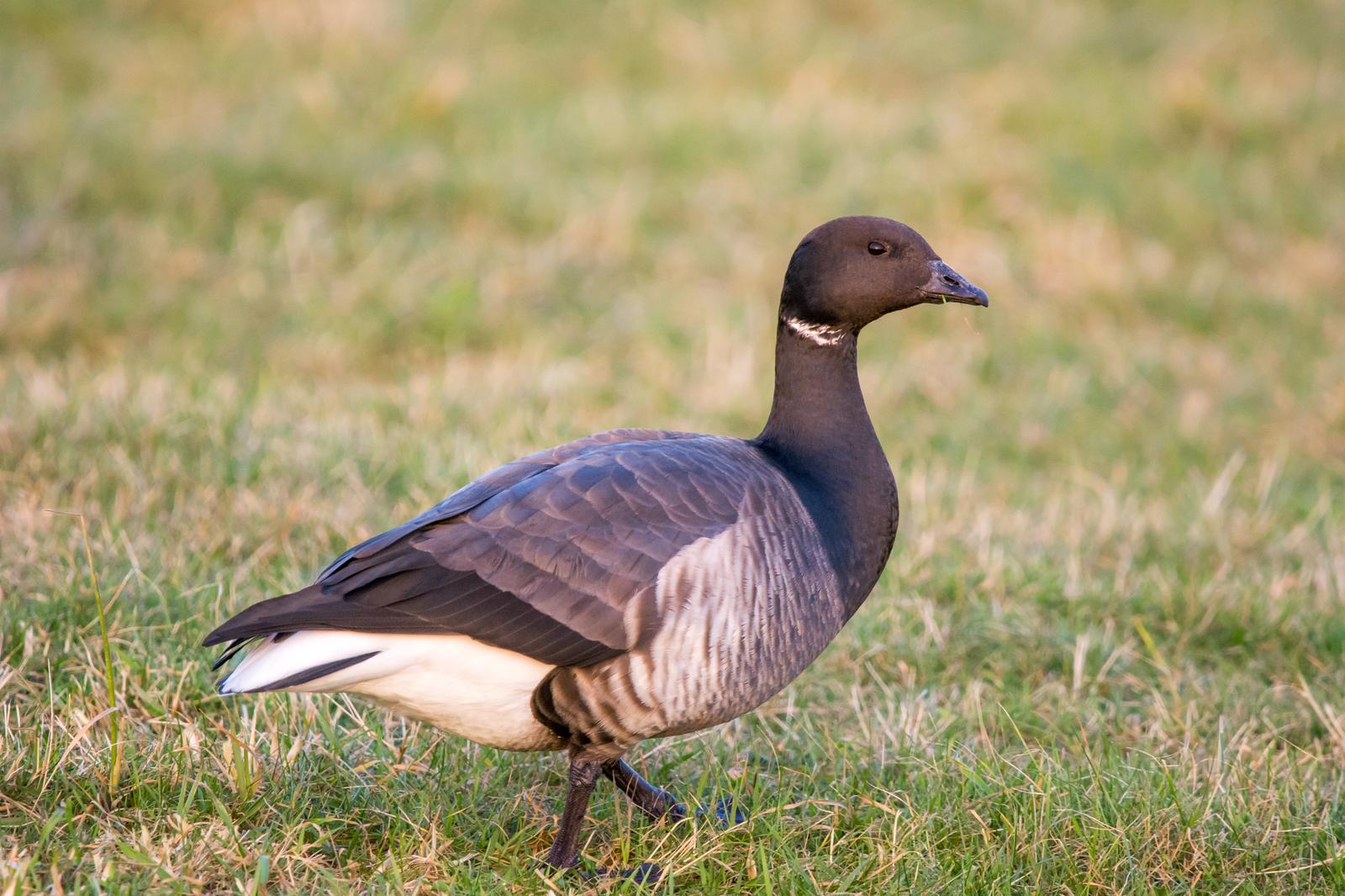
One of the most conspicuous species during this period is the brant goose: it rests in the Wadden Sea in both spring and autumn on its journey between breeding grounds on Russia's Taimyr Peninsula and wintering grounds in Western Europe. Watching it all is refreshingly simple – no guide or ticket required, just a spot on the dyke. If you'd also like to explore the mudflats yourself at low tide, the basics are covered in the article on the Wadden Sea at low tide in Otterndorf.
Koje and Koi at Nordseezimmer Otterndorf are bookable year-round – each with its own bathroom, a large bed, and 24/7 self check-in. From 1 night, no single-room surcharge.
Check availabilityWind, clouds and clear days – planning around autumn weather
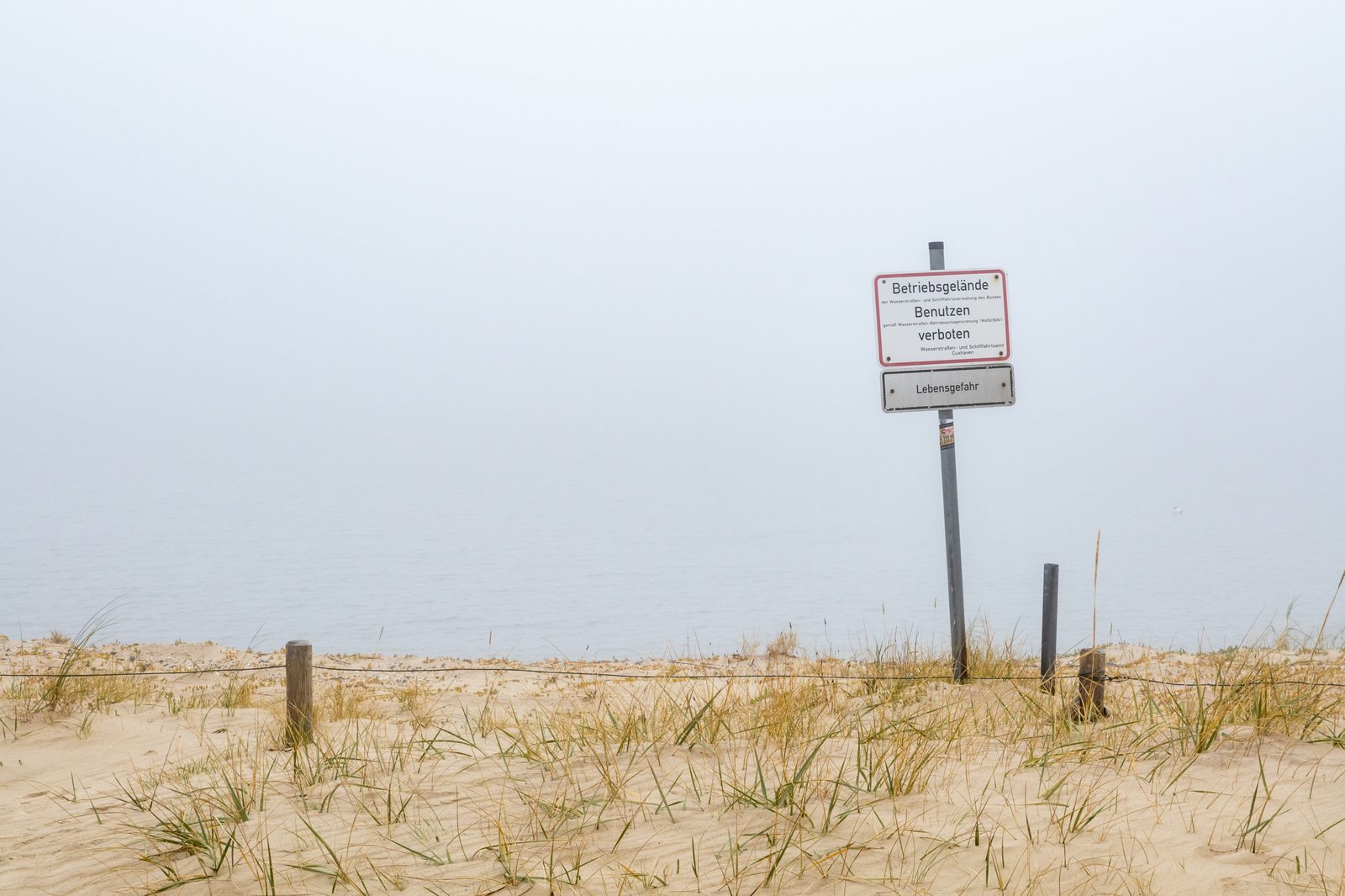
Autumn on the North Sea is changeable: a sunny, still morning can turn into an afternoon shower, and stormy days are simply part of the season. Windproof, warm layers and sturdy shoes belong in your bag from September onward. The upside of changeable weather: foggy days and low clouds create a mood you rarely see in high summer – along the coast near Cuxhaven especially, the landscape feels particularly wide and still.
Planning your autumn visit
- Choose your window deliberately: for quiet, avoid the autumn school holidays (12–24 Oct 2026); for open cafés and a bit more activity, plan right into that window instead.
- Pack layers: wind, sun and rain can all show up in one day – a windproof jacket is non-negotiable.
- Keep an eye on the tides: the tide still decides when the mudflats are walkable in autumn – check current times shortly before you travel.
- Check seasonal offerings ahead of time: some kiosks, guided tours or excursion boats reduce their hours or pause for the season – best to ask the operator directly.
- Travelling as a couple? More quiet, low-pressure ideas are in the article on the romantic North Sea weekend.
The best time for bird migration is usually early morning, while the wind and dyke traffic are still calm. Binoculars help – but a spot on the dyke crest with a clear view of the mudflats is really all you need.
Back at Nordseezimmer
After a windy afternoon on the dyke, it helps if getting back doesn't take a detour. Both the Koje and the Koi offer a private bathroom, a large bed and free Wi-Fi – and thanks to self check-in, you're not tied to reception hours, no matter how late dusk pulls you off the dyke. A warm coffee for the next morning is included.
Frequently asked questions
When is the best time for bird migration in the Wadden Sea?
According to the Wadden Sea National Park authority, the autumn bird migration peaks in September and October. Each autumn and spring, an estimated 10 million migratory birds rest in the Wadden Sea as a whole.
Is the North Sea still worth a short trip in autumn outside the school holidays?
Yes. Nordseezimmer is bookable from 1 night, with no single-room surcharge and 24/7 self check-in – and outside the Lower Saxony autumn school holidays (2026: 12 to 24 October), the region is noticeably quieter than in summer.
What else can you do near the North Sea in Otterndorf in autumn?
Dyke walks and birdwatching over the mudflats work year-round and cost nothing. If you're after a quiet trip for two, the article on the romantic North Sea weekend has more ideas.
Experience autumn on the North Sea
A quiet residential location in Otterndorf, ten minutes to the dyke, open year-round. Self check-in 24/7, Wi-Fi and parking included, no single-room surcharge. Bookable from 1 night.
Check availability View rooms9.2 / 10 on Booking.com · Catharinenweg 4, 21762 Otterndorf